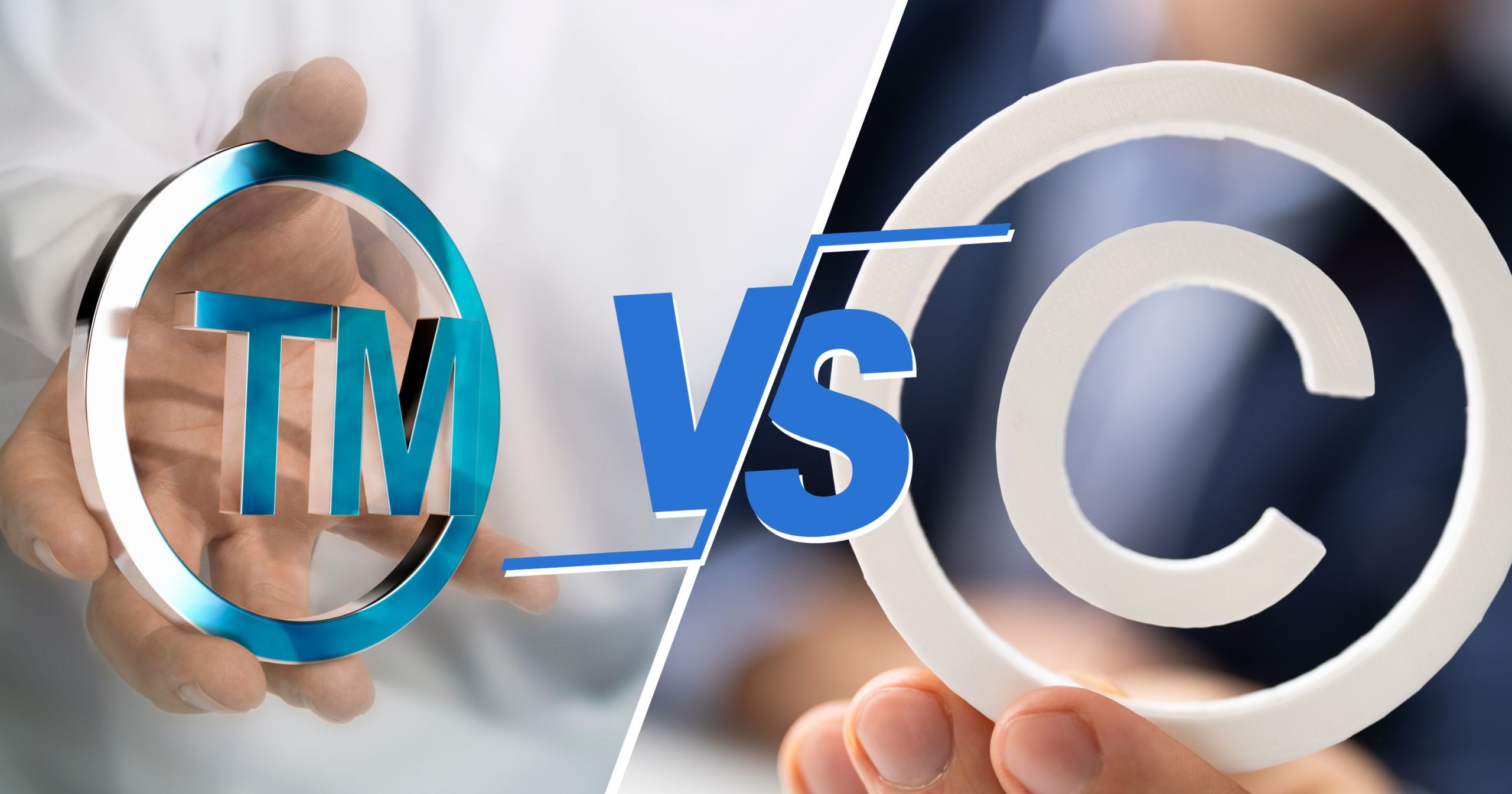
In the world of business, creativity, and branding, protecting your work and identity is crucial. That’s where intellectual property rights come into play—specifically, trademarks and copyrights. These two terms are often used interchangeably, but they serve very different purposes.
If you’re a business owner, artist, content creator, designer, or innovator, understanding the distinction between trademark and copyright is essential. In this article, we’ll break down the key differences, uses, protections, and benefits of each, so you can better secure your assets and make informed decisions.
What is a Trademark?
A trademark is a recognizable sign, design, word, phrase, symbol, or a combination of these, that identifies and distinguishes the source of goods or services of one party from others in the market.
Examples of Trademarks:
- Logos (e.g., Nike’s swoosh)
- Brand Names (e.g., Coca-Cola, Apple)
- Taglines or Slogans (e.g., “Just Do It”)
- Distinctive Packaging (also called trade dress)
Purpose of a Trademark:
- To protect your brand identity
- To prevent others from using similar marks that could confuse customers
- To build brand loyalty and recognition
What is Copyright?
Copyright is a legal right granted to the creator of original works of authorship. This includes literary, artistic, musical, and dramatic works, both published and unpublished.
Examples of Copyrighted Works:
- Books and articles
- Songs, albums, and musical scores
- Movies and videos
- Photographs and illustrations
- Software and websites
- Paintings and sculptures
Purpose of Copyright:
- To protect the expression of an idea, not the idea itself
- To give creators exclusive rights to reproduce, distribute, perform, display, and license their work
- To ensure creators are credited and compensated for their original content
Key Differences Between Trademark and Copyright
| Feature | Trademark | Copyright |
|---|---|---|
| What it Protects | Brand elements like logos, names, slogans | Original artistic or literary works |
| Purpose | Identifies the source of goods/services | Protects creative expression |
| Owner’s Rights | Exclusive use of mark for branding | Reproduce, distribute, perform, display, and license work |
| Automatic Protection? | No – registration recommended | Yes – protection begins upon creation |
| Duration | Can last indefinitely with renewal | Typically creator’s life + 50/70 years (varies by country) |
| Registration Authority | Trademark Office (e.g., USPTO) | Copyright Office (e.g., U.S. Copyright Office) |
| Examples | Brand logo, company name, product packaging | Novels, songs, software, photographs |
Why Do You Need a Trademark?
If you’re building a brand, a trademark protects your business identity from imitation. Without it, competitors could copy your name or logo, leading to brand confusion and loss of reputation.
Benefits of Trademark Protection:
- Legal protection for your brand elements
- Exclusive rights to use your mark in your industry
- The ability to take legal action against infringers
- Stronger brand credibility and trust
- Valuable asset that increases your business valuation
Why Do You Need Copyright?
If you’re a creator or content producer, copyright ensures that your work can’t be used without permission. It gives you control over how your work is used and protects you from unauthorized use or plagiarism.
Benefits of Copyright Protection:
- Immediate protection at the time of creation
- Control over reproduction, public display, and distribution
- Legal recourse in case of infringement
- Opportunity to license your work and generate royalties
- Ensures recognition of your intellectual contribution
Can You Have Both a Trademark and Copyright?
Yes, in many cases, a single item can be protected by both.
For example:
- A logo design can be copyrighted as artwork and trademarked as a brand identifier.
- A software application can be copyrighted for its code, while its name and logo can be trademarked.
Understanding how both work together helps you maximize protection for your brand and creations.
How to Register a Trademark
Step-by-Step Process:
- Search for existing trademarks to avoid conflicts
- File an application with your country’s trademark authority (e.g., USPTO, EUIPO)
- Provide details like logo, name, product/service class
- Pay the application fee
- Wait for review and approval
Tip: Hire a trademark attorney for a smoother registration process.
How to Register a Copyright
In most countries, copyright protection is automatic upon creation, but formal registration gives you legal proof of ownership.
Registration Steps:
- Visit your national copyright office website
- Complete an online or paper application
- Submit your work (digital or physical copy)
- Pay the fee
- Receive your copyright certificate
Common Misconceptions: Trademark vs Copyright
❌ “They are the same thing.”
They protect different aspects—trademark = brand, copyright = content.
❌ “Registration isn’t necessary.”
Registration strengthens your legal rights and is crucial in case of disputes.
❌ “Once registered, it covers everything.”
Each protection applies to specific aspects; you may need both for full coverage.
Intellectual Property Strategy for Businesses
In a digital world, your brand identity and creative assets are valuable currency. A comprehensive IP strategy should include:
- Trademark registration for all brand elements
- Copyright protection for all original content
- Regular audits to identify unprotected IP
- Legal monitoring to prevent infringement
Conclusion: Which One Do You Need?
If you’re branding a business—go for a trademark.
If you’re creating original content—secure your copyright.
In most cases, you need both to protect your work and build long-term value. Think of it this way: your trademark protects your name and reputation, while copyright protects your ideas and creations.
Being proactive with intellectual property protection ensures that your hard work stays yours, and that no one else profits from what you’ve built.